



Introduction
Many writers and marketers want to publish content on established platforms, but often misunderstand how different publishing systems work. A common question is how article submission actually happens on UploadBlog.com, as the process differs from self-publishing platforms like WordPress or Medium.
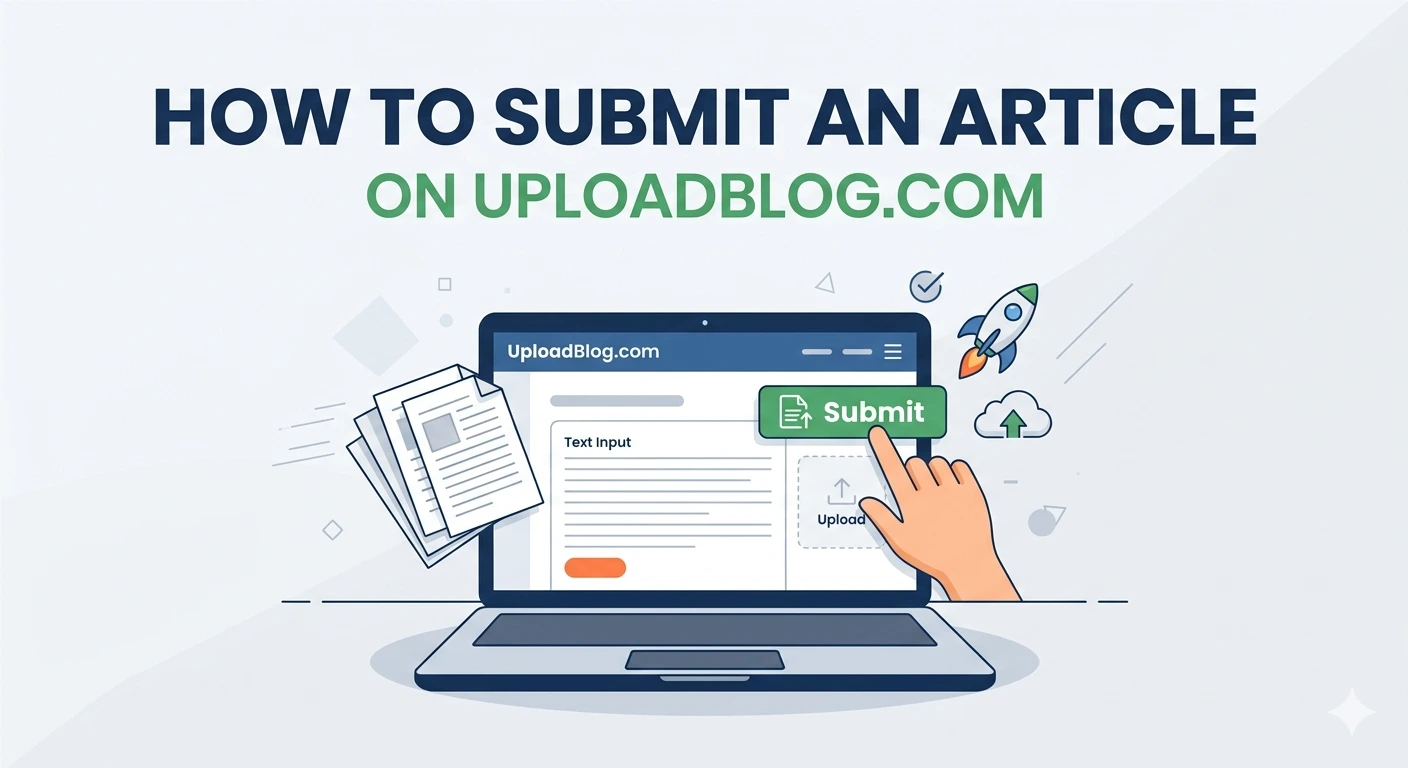
Instead of allowing instant publishing through a user dashboard, this platform follows a manual review-based submission process. Contributors must submit their content through email, after which it is evaluated by an editorial team. This guide explains the complete workflow in a clear and realistic way so writers know exactly what to expect before submitting.
How the Article Submission System Works
Unlike automated blogging tools, UploadBlog.com operates as an editorially controlled publishing site. This means every article is reviewed before it goes live. The goal of this approach is to maintain content quality and topical relevance across the site.
Writers do not publish directly. Instead, they send their article for review, and only approved content is published. Understanding this system helps avoid confusion and unnecessary rejections.
Types of Content Accepted
Before submitting, it is important to understand what kind of content aligns with the platform’s expectations. Articles are generally accepted if they are:
* Informational and educational
* Written for a general or niche audience
* Clearly structured and easy to read
* Relevant to current digital, lifestyle, or business topics
Content that is overly promotional, sales-driven, or copied from other sources is usually rejected.
Step-by-Step Process to Submit an Article
Step 1: Write Original, Human-Edited Content
Your article should be original and not published elsewhere. Even if AI tools are used for assistance, the final version must be edited to sound natural and experience-based.
Recommended length usually falls between 800 and 1,500 words, depending on topic depth.
Step 2: Structure the Article Properly
Clear formatting improves approval chances. Use:
* Logical headings
* Short paragraphs
* Bullet points where necessary
Avoid keyword stuffing and unnatural repetition. Content should read smoothly for humans first.
Step 3: Prepare Author Information
Every submission should include basic author details:
* Your name
* A short professional bio
* Optional website or portfolio link
A well-written bio helps editors understand the contributor’s background and improves credibility.
Step 4: Add Images (Optional)
Including a featured image is optional but recommended. If you add images:
* Use royalty-free or original visuals.
* Keep file size reasonable.
* Add a brief description or alt text.
Images should support the content, not distract from it.
Step 5: Send the Submission Email
Articles are submitted via email rather than a publishing dashboard. The email should include:
* A clear subject line mentioning article submission
* A short introduction
* The full article is pasted in the email body or shared via a document link.
* Author bio and any relevant links
Professional and concise emails receive better responses.
Step 6: Editorial Review Phase
After submission, the article enters a review queue. Review time can vary depending on submission volume. Editors usually evaluate:
* Content quality
* Originality
* Relevance to the audience
* Formatting and clarity
Not all submissions are accepted on the first attempt.
Step 7: Feedback or Revisions
Some articles are accepted directly, while others may be returned with suggestions. Revisions are a normal part of editorial publishing. Responding positively to feedback improves future approval chances.
Content Quality and AI Usage Guidelines
While AI tools are not strictly banned, content that feels fully automated or lacks human insight is often rejected. Editors prefer articles that:
* Share practical knowledge
* Show understanding of the topic.
* Feel written for real readers.
Human editing and personal insight are essential.
Backlinks and Linking Rules
Linking policies are usually conservative:
* Author bio links are commonly allowed.
* Body links are reviewed individually.
* Affiliate or promotional links are discouraged.
Links should add value, not exist purely for SEO.
Content Ownership and Republishing
Once published, articles typically remain hosted on the platform. Major edits or removals may not always be possible. Republishing the same content elsewhere should be done carefully to avoid duplication issues.
Writers should always submit a final, polished version.
Frequently Asked Questions
Is there a dashboard for direct publishing?
No, articles are submitted through email only.
Is there a fee for submitting articles?
Informational content is usually accepted without payment. Promotional content may require approval or fees.
How long does the review take?
Approval timelines vary, but responses typically arrive within several working days.
Can links be included?
Yes, but they are reviewed and must be relevant.
—
Conclusion
Submitting an article on UploadBlog.com involves a manual, editor-reviewed process rather than instant publishing. Writers who understand this workflow and focus on quality, originality, and clarity have a much higher chance of approval.
By preparing human-edited content, following formatting guidelines, and submitting professionally through email, contributors can successfully publish their work and gain exposure on an established platform. This structured approach helps maintain content standards while giving writers access to a broader audience